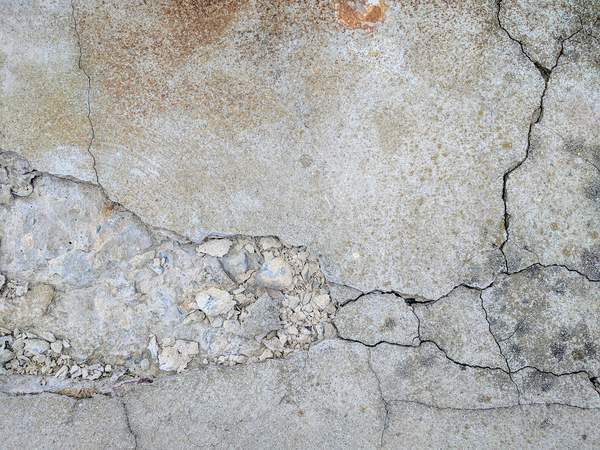
Foundation issues can silently undermine the structural integrity of a home, leading to costly repairs and potential safety hazards. For homeowners and potential property buyers, understanding the signs of foundation flaws is crucial in maintaining property value and ensuring a safe living environment. Recognizing these issues early can prevent long-term damage and significant financial burdens.
Common Signs of Foundation Problems
Professional inspectors identify several symptoms that may indicate foundation issues. These signs often manifest in both the interior and exterior of the home:
- Cracks: Vertical, horizontal, or stair-step cracks in walls or the foundation itself can signal underlying problems.
- Doors and Windows: Difficulty in opening or closing doors and windows may suggest shifting or settling of the foundation.
- Uneven Floors: Sloping or sagging floors can indicate foundation movement or settling.
- Water Intrusion: Moisture in the basement or crawl space often points to poor drainage or foundation cracks.
Understanding Foundation Types and Their Vulnerabilities
Different foundation types have unique vulnerabilities. It’s important for homeowners to be aware of the specific risks associated with their foundation type:
- Slab Foundations: Prone to cracking due to soil movement. Regular inspections can help detect early signs of damage.
- Basement Foundations: Susceptible to water leaks and cracks. Proper waterproofing and drainage are essential to prevent issues.
- Crawl Space Foundations: Vulnerable to moisture and pest intrusion. Adequate ventilation and moisture barriers can mitigate these risks.
Preventive Measures and Best Practices
Implementing preventive measures can help maintain a home’s foundation integrity:
- Regular Inspections: Professional inspections can identify potential issues early, enabling timely intervention.
- Proper Drainage: Ensuring adequate drainage around the home prevents water accumulation, which can compromise the foundation.
- Soil Management: Maintaining consistent moisture levels in the soil around the foundation can prevent excessive expansion or contraction.
Homeowners should also be aware of local building codes and industry standards, such as those set by the International Code Council (ICC), which provide guidelines for maintaining structural integrity.
In summary, understanding the signs and vulnerabilities of foundation issues is essential for homeowners and property buyers. Regular inspections by qualified professionals are a proactive measure to safeguard against potential problems, ensuring the home’s safety and longevity.